 Momentum Quest™by ZenWorkspace
Team Momentum
How Team Momentum Works
Understand what helps people bring their best to work, how team dynamics shape the experience, and what teams can improve together.
Great teams don’t just deliver results. They bring out the best in each other. Team Momentum happens when a team works in a way that lets everyone bring their best while making progress together toward shared goals. Talent alone isn’t enough: the way work is organized, and the way teammates work together, can help people thrive or hold them back.
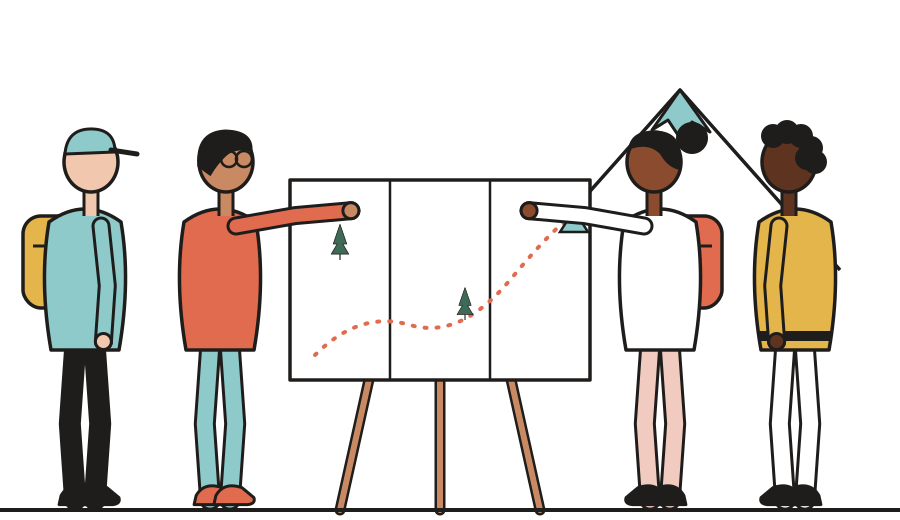
What shapes Team Momentum
Two sides of how work happens.
Both matter, and they influence each other.
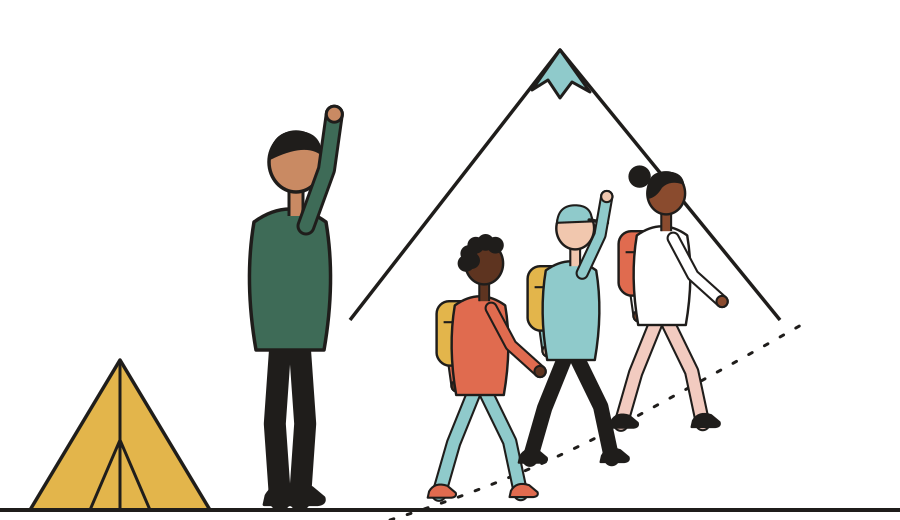
The work environment
Priorities, resources, workload and systems. Leadership shapes much of it.
the other
● Momentum Quest works here
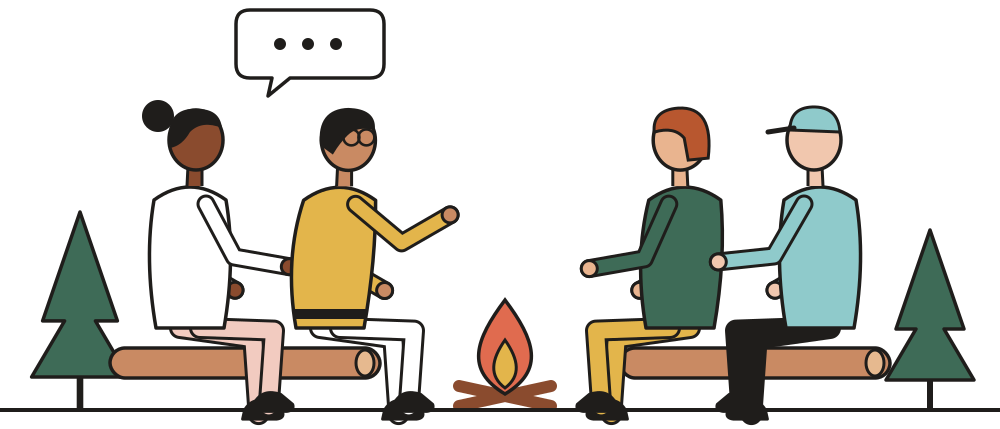
Team dynamics
How teammates communicate, help each other and share the work, with the safety to say what they need, including support from leadership.
Where Momentum Quest makes a difference
Change starts with the people doing the work.
Many improvement efforts start with leadership, and managers don’t always see what teammates experience every day. Momentum Quest gives teammates a way to understand how they work together and choose one small change they can make themselves.
The Momentum Scan explores all seven conditions, from each person’s experience to the wider work environment.
The team chooses one practice to improve how it works together, and tries it for 30 days.
Where an obstacle is beyond the team, it names the support that would help, and its sponsor sees the request.
The team owns the change. Leadership helps make it possible.
Team Momentum
Seven conditions. One shared experience.
Every teammate experiences work differently. The Momentum Scan brings those perspectives together, looking at each condition from three angles: your own experience, how the team works together, and the wider work environment. It’s not about judging people. It’s about understanding the team.
- OrganizationHow clear work feels.
- BalanceHow sustainable work feels.
- OpennessHow safe honesty feels.
- TrustHow reliable teamwork feels.
- FairnessHow shared effort feels.
- RecognitionHow valued people feel.
- ConnectionHow connected we feel.
Each condition shapes the others. Choose one to read more.
Each condition below comes with an everyday example. Examples, not diagnoses: the same signal can come from different conditions, and your team decides what it means.
Condition 1 of 7
Organization
How clear work feels.
People understand priorities, roles and how work gets done.
When Organization is working well, people know what matters, where to find what they need and how work moves from one person to another.
When it’s stretched, priorities can compete, information gets scattered, ownership becomes unclear and people spend energy figuring out the work around the work.
Three perspectives
Sounds familiar?
“Important information keeps living in DMs.”
A Trail to explore: Smooth the Path
All seven conditions ↑Condition 2 of 7
Balance
How sustainable work feels.
Work doesn’t stop affecting us when the workday ends. Workload, pace, expectations, recovery time, and boundaries between work and personal life all influence how sustainable work feels.
Some of these pressures come from outside the team. Others are shaped by everyday habits, such as when people send requests, how they share urgent work, and whether teammates feel able to disconnect.
When it’s stretched, urgent beats important, work spills into evenings and people run on fumes until the next break.
Three perspectives
Sounds familiar?
“New work keeps getting added, but nothing seems to come off the team’s plate.”
A Trail to explore: Make Room
All seven conditions ↑Condition 3 of 7
Openness
How safe honesty feels.
People can say what they see without worrying about the consequences.
When Openness is working well, problems surface early, disagreement is useful and people say the hard thing in the room.
When it’s stretched, people agree in meetings and disagree afterward, and problems arrive late, already bigger.
Three perspectives
Sounds familiar?
“People talk about a problem after the meeting, but not during it.”
A Trail to explore: Say What’s Unsaid
All seven conditions ↑Condition 4 of 7
Trust
How reliable teamwork feels.
People can count on each other, and decisions match what the team says it values.
When Trust is working well, people ask for help early, hand work over without worry and believe what they hear.
When it’s stretched, people double-check each other, hold on to work and wait until they’re stuck before asking.
Three perspectives
Sounds familiar?
“People hesitate to ask for help until they’re already stuck.”
A Trail to explore: Ask for Help
All seven conditions ↑Condition 5 of 7
Fairness
How shared effort feels.
Responsibilities, opportunities and workload are shared in a way that feels fair.
When Fairness is working well, the load moves around the team and the good opportunities do too.
When it’s stretched, the same few people absorb the extra work, and resentment builds quietly.
Three perspectives
Sounds familiar?
“The same people keep picking up the extra work.”
A Trail to explore: Share the Load
All seven conditions ↑Condition 6 of 7
Recognition
How valued people feel.
Effort and contribution get noticed and returned.
When Recognition is working well, people see each other’s work, including the quiet work that keeps things running.
When it’s stretched, results get noticed but the effort behind them doesn’t, and people start doing less of the invisible work.
Three perspectives
Sounds familiar?
“Important work gets done, but much of the effort behind it goes unseen.”
A Trail to explore: What Went Unseen
All seven conditions ↑Condition 7 of 7
Connection
How connected we feel.
People feel part of one team, not people working alone.
When Connection is working well, information and support move through the team, and people feel like they’re moving together.
When it’s stretched, people work well side by side but interact mainly when they need something.
Three perspectives
Sounds familiar?
“People work well side by side, but mostly interact when they need something.”
A Trail to explore: Beyond the Work
All seven conditions ↑From the Momentum Scan
Your Source and your Drain
Your Momentum Scan helps identify two starting points.
Momentum Source
The condition your team rates highest right now.
Something already working in your team’s favor, worth understanding and protecting.
Momentum Drain
The condition your team rates lowest right now.
Not a sign your team is failing, or a problem it must solve alone. Some Drains need support from leadership; the Quest helps the team find a realistic step and say what it needs.
These aren’t labels or judgments. They’re a way to start a conversation about what’s helping your team and what might need attention.
Different approaches, different starting points
Momentum Quest focuses on what teammates can change together.
Help organizations understand employee experience and identify broader issues.
Helps managers improve how they lead and support their teams.
Helps teammates improve how they work together, while naming where leadership support is needed.
Grounded in research. Built for real teams.
Decades of research on team effectiveness have shown that team performance depends on more than the people involved.
Researchers such as Richard Hackman and Ruth Wageman have studied the conditions that help teams succeed. Google’s Project Aristotle also highlighted the importance of psychological safety, dependability and clarity in effective teamwork.
Momentum Quest draws on these insights to help teams explore seven practical conditions in their own work environment.
Google’s Project Aristotle research ↗A note on method: our seven conditions are a practical framework informed by research, not a scientifically validated model of team effectiveness.